
Gosh. I don’t really know if I want to tackle this one. We hear so much about diet, what we should eat. Usually it’s about weight loss, but there are also specific diets for almost any medical condition.
If you’re like me, you’ve maybe tried many diets. I was a skinny kid, and my mother was a very good Southern cook. I grew up eating hot breakfasts, roast beef sandwiches with chips and pound cake lunches, a meat-and-three for supper, and a spread every Sunday dinner after church. It wasn’t until after my first year in college when I put on the “freshman fifteen” that the diets started.
Weight Watchers was the first. Still popular and with many options, this diet plan offers flexibility and support at low cost. It counts calories, or points. But it wasn’t enough for me, so next came fasting.
Intermittent fasting focuses not on what you eat but when, whether it’s one 12-hour day weekly or once a month. Research shows that intermittent fasting helps maintain a healthy weight throughout life. (hopkinsmedicine.org) The fasting I did– hard boiled eggs and celery sticks for months–was more about starvation. I succeeded in screwing up my metabolism and becoming hypoglycemic, which has stayed with the me through my life. Thus since age 19, I have had to avoid direct sugar. (No, not even birthday cake.)
Because of my need for small meals, low carbs and high protein, I investigated the Atikins diet at some point. This diet, similar to the Keto plan, allows for unlimited meats and fats, along with low-carb vegetables. While these diets have positive effects on weight loss–especially loss of belly fat–there are risks with elevated cholesterol levels and consequent heart problems. The limitation of fruit can cause a lack of sufficient vitamins and minerals.
With a career in healthcare and also a foot in alternative healing, I’m familiar with these diet methods: food combining and plant based. A food combining philosophy believes separating or combining certain food groups helps with digestion and overall weight loss. Combine fruit and leafy greens or protein and fruit, but never protein-rich foods (meats) and sugars (complex carbohydrates such as breads). For example, rice and beans with a green salad but not a turkey sandwich and an apple. Food combining was difficult for me to follow and yet I tried it for several years. My alternative healer at the time also recommended that 80% of food be eaten raw. Lots of salads!
Many in the medical community advocate a plant -based diet, vegan or vegetarian. Plant-based diets can prevent or help manage chronic diseases and are associated with a decreased risk of cancer and diabetes. While there are researched benefits of these diets, I wasn’t able to get enough protein. And plant-based proteins are not a reliable source of B12 and usually require supplements.
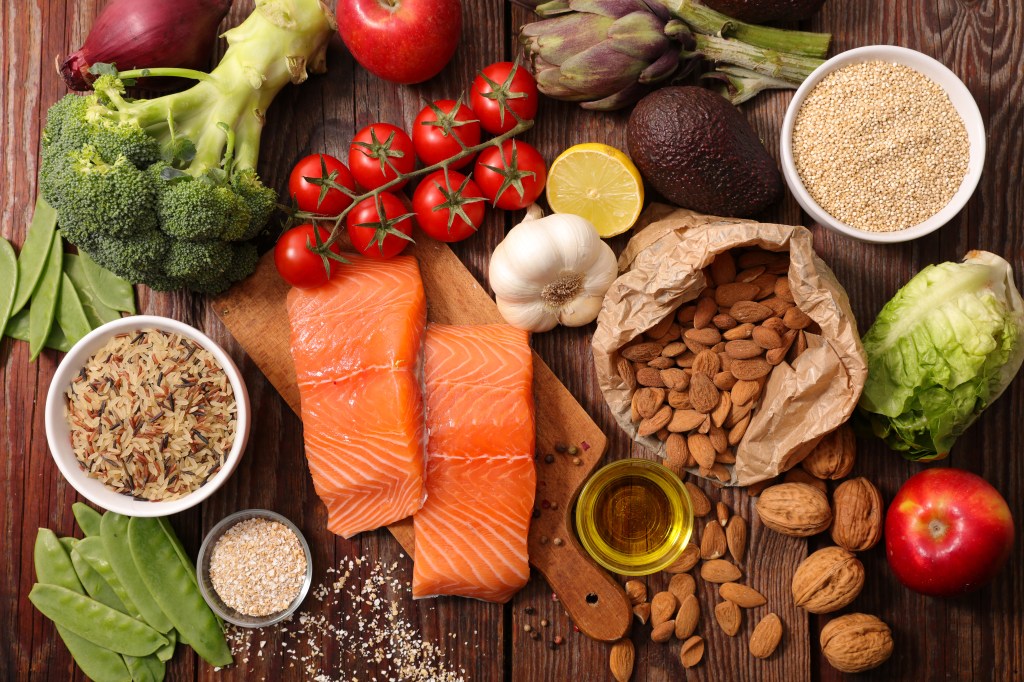
The diet I have found easiest is the Mediterranean. It’s also recommended as a heart-healthy plan and is recognized by the World Health Organization. With no calorie counting or portion sizes, this diet consists of vegetables, fruits, whole grains, beans, nuts, seeds, and olive oil. Fish, poultry, legumes, and eggs are eaten weekly, along with moderate portions of dairy products and limited amounts of red meat and foods with added sugar. The Mediterranean plan also recommends sharing meals with family and friends, getting regular exercise, and enjoying wine in moderation.
There are many diets for specific conditions, such as inflammation (arthritis), diabetes, and kidneys (renal). Obviously one should follow a doctor’s advice or a certified dietician for these.
What I have come down to is to know my body and do the best I can. I have low sodium, so I salt liberally (even pizza!). With low hemoglobin, my nutritionist tells me to eat red meat at least once a week. I never miss not having sugar. I probably don’t eat enough vegetables. But I have no complaints. And regular, moderate exercise forgives a lot of diet sins!
 Our Aging Selves
Leave a comment